12 November 2015•Update: 12 November 2015
CAIRO
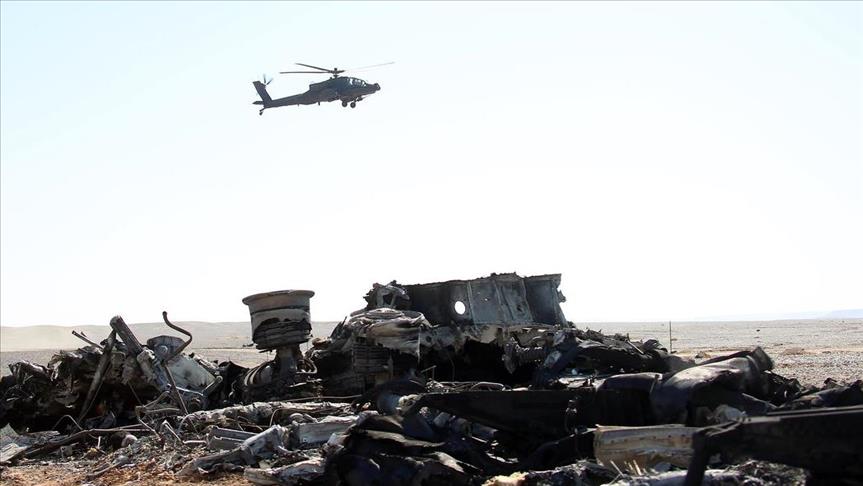
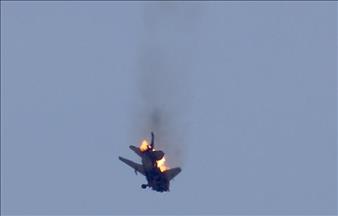
Egypt has approved the participation of the U.S. in an ongoing investigation into last month’s crash of a Russian plane in Sinai, which killed all 224 people on board.
The Russian Airbus A321 plane went down shortly after taking off from the Red Sea resort of Sharm el-Sheikh on Oct. 31.
Investigators from Egypt, Russia and a number of other countries have been examining the plane’s black boxes to determine the cause of the crash.
In a statement, Foreign Ministry spokesman Ahmed Abu Zeid said rules of the investigation committee allow the participation of the country that manufactured the plane and its engines.
“Egypt has notified all countries with the right to participate in the investigation, including the American National Transportation Safety Board since the company that produced the plane engine is American,” Abu Zeid said.
Egyptian officials have blamed the crash on a technical malfunction and warned against jumping to premature conclusions.
Both the U.S. and the U.K. governments, however, have not ruled out terrorism as a possible cause.
- Evil people
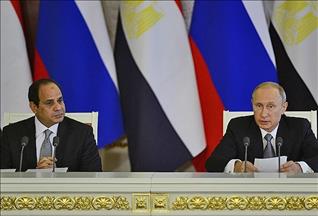
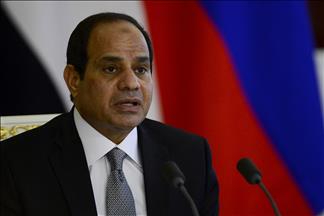
President Abdel-Fattah al-Sisi visited Sharm el-Sheikh on Wednesday in an attempt to reassure the public following the plane crash.
“The lights will not be going out in Sharm al-Sheikh,” Sisi told reporters in the Red Sea resort. “The evil people are seeking to disrupt Egypt’s successes.”
Following the crash, several western countries suspended flights to Sharm el-Sheikh, dealing a heavy blow to Egypt’s already-reeling tourism industry.
The move, however, has prompted Egyptian media to claim that the crash was a “plot” by western countries to undermine Egypt’s economy.
Tourism accounted for nearly 13 percent of Egypt’s gross domestic product in 2014, according to the World Travel & Tourism Council.
The Egyptian economy has been hammered by four years of political turmoil since a popular uprising unseated autocrat Hosni Mubarak in 2011.
The economic woes have forced the government to devaluate the Egyptian pound against dollar in a move seen as an attempt to bring in much-needed foreign investment.
But in a surprising move Wednesday, the central bank raised the pound’s official value by 0.20 pound to the dollar, sparking confusion in the market as many investors believe that the pound is already overvalued.
“I don’t think the move would dispel fears of the investors about devaluating the pound in the near future,” economist Hani Farahat told Anadolu Agency.
He said the move to strengthen the pound would add further confusion about the fiscal policy in Egypt.
“This is not a good thing for foreign investors, who expect a further devaluation of the currency,” he added.
EFG-Hermes, one of the Middle East’s largest investment banks, also expected that the move would not boost dollar liquidity in Egypt, which faces a long-running currency crisis.
Egypt’s Arab allies have channeled billions of dollars in support of the Egyptian economy since the 2013 coup against President Mohamed Morsi.