Okech Francis
JUBA
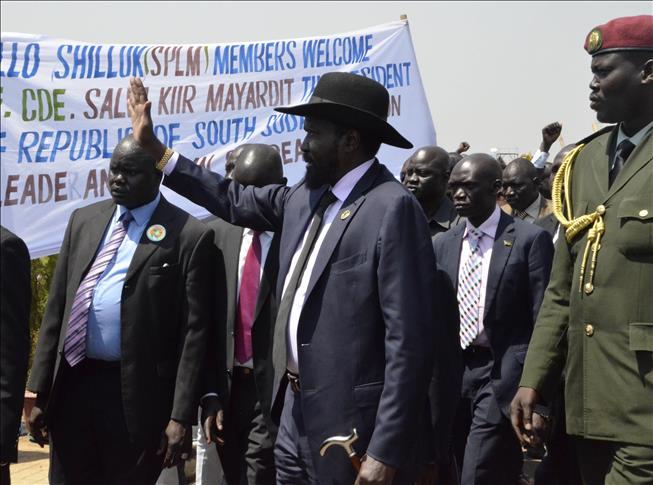
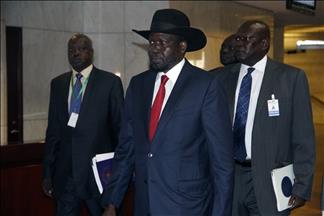
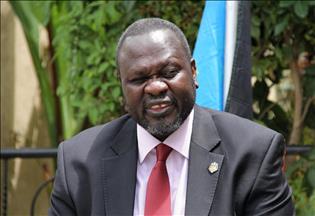
A recent power-sharing deal between South Sudanese President Salva Kiir and rebel leader Riek Machar has been met with skepticism and dissatisfaction among most inhabitants of the violence-rocked country.
"I want to believe this is a roadmap to a final permanent peace agreement, but I feel this is a withdrawal mechanism to relieve himself [Kiir] from being kept in Addis Ababa," Arou Malaak, a teacher, told The Anadolu Agency on Monday.
"The cease-fires reached will not be implemented as fighting continues in the provinces," Malaak said.
Kiir and Machar signed a power-sharing deal in Addis Ababa late Sunday in a bid to end the crisis that has raged in the fledgling country for over a year.
The deal calls for the formation of a transitional government in South Sudan, lays down the principles of power-sharing, and specifies security arrangements.
Negotiations on the deal's specifics will resume on Feb. 20, provided that both sides reach a final peace agreement by March 5 at the latest.
Under the agreement, Kiir will remain president while Machar will take up his former post as vice president, replacing James Wani Igga.
"Both the rebel leader and the current president – for the sake of peace – should drop their positions and allow someone to take over, the one who is able to lead South Sudan successfully," Malaak said.
South Sudan, which became independent in 2011, has been shaken by violence since late 2013, when Kiir accused Machar, his sacked vice-president, of leading a failed coup attempt against his regime.
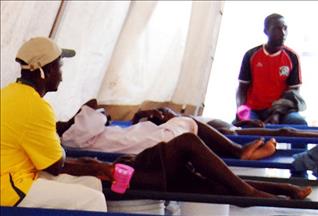
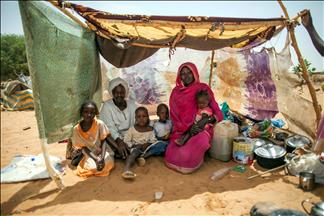
Tens of thousands have reportedly been killed in the crisis, close to two million have been uprooted from their homes, and hundreds of thousands now seek shelter in displacement camps across the country.
-Skepticism-
Sarah Konga, an accountant, voiced skepticism regarding the deal's prospects for success.
"I doubt if it will work out, because they are there in the name of peace but are not working hard," Konga told AA.
"Everybody is looking at how to secure their positions and not caring about the suffering of the people of South Sudan," she said.
Konga called on political leaders to start thinking about the people's needs instead of fighting for power.
"The leaders of South Sudan should start feeling the suffering of their people and try to understand why they are crying for peace," she said.
"They should put themselves in the shoes of the people in Malakal, Bentiu and imagine, if it was their children, how they would feel," Konga said.
For John Atim, a freelance journalist based in Juba, the deal represents a step towards a permanent peace agreement.
"The government isn't interested in power sharing; that's why the talks dragged. But I think it [the deal] is the way forward, because if a blank check agreement is reached without a power sharing agreement, it will not go far," Atim told AA.
"If the rebels are given a share as it is, everyone will be at least engaged and it will open the future for stability," he said.
"But if all those involved in the crisis aren't accommodated, they will not reach the final peace desired by civilians," Atim asserted.
"I know both of them [Kiir and Machar] want peace that will benefit them in terms of their positions," he added.
Atim went on to warn that, if the power-sharing deal wasn't implemented, peace in South Sudan would remain a distant dream.
"So I see power sharing as the way forward," he said. "If this deal does not go through, I doubt there will be any peace."