Michael Sercan Daventry
21 September 2015•Update: 21 September 2015
LONDON
Northern Ireland’s political parties began talks Monday aimed at rescuing the regional coalition government.
The power-sharing administration has been on the brink of collapse for more than a week after unionist ministers withdrew, citing concerns the Provisional Irish Republican Army (IRA) was still operating as a paramilitary organization.
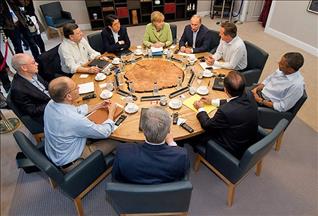
Representatives from the territory’s five main parties, supported by the governments of Britain and Ireland, will discuss both the IRA and implementing controversial welfare cuts.
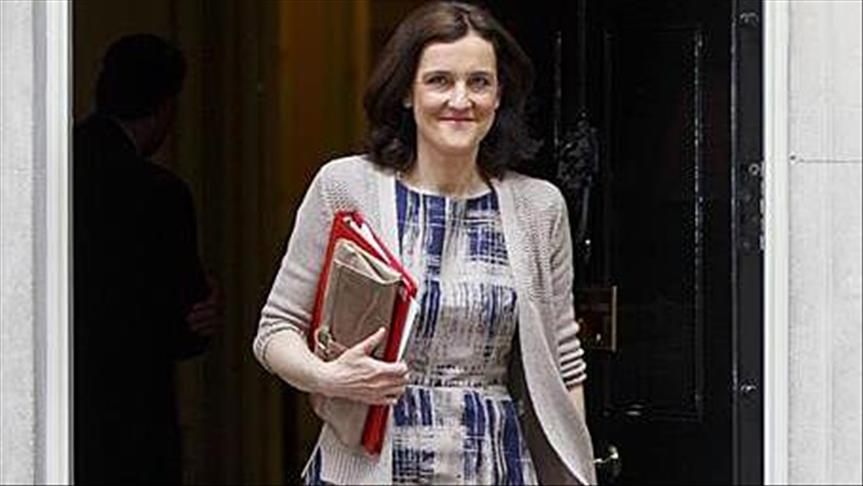
They were urged by Britain’s Northern Ireland Secretary Theresa Villiers not to miss the opportunity. “I recognize the scale of the task ahead,” she said. “We are dealing with very difficult issues."
“But Northern Ireland's political leaders have achieved great things over the past 20 years working together. That same spirit needs to be brought into these talks. We must not let this opportunity to build a brighter, more secure future for Northern Ireland slip away.”
Martin McGuinness, whose nationalist Sinn Fein party wants a united Ireland, said the negotiations placed a “huge responsibility on all parties, including ourselves, and also the two governments to be creative and deploy a spirit of generosity in the course of these discussions."
But the talks are not expected to yield results until the middle of October, when an independent report assessing paramilitary activity is due to be published.
Northern Ireland’s leaders ended three decades of conflict in 1998 by signing a landmark peace agreement, which established a coalition government at Stormont between unionist parties seeking to remain within the U.K., and Irish nationalists.
The present crisis was sparked by the murder of former IRA member Kevin McGuigan in August.
Police said they believed IRA members were responsible for the shooting and arrested three senior nationalist figures, including Bobby Storey, a senior Sinn Fein chairman. All three men were later released without charge.
However, the implication the IRA, which was notionally disbanded a decade ago, could be conducting killings prompted unionist parties to withdraw from Northern Ireland’s government.
A single unionist minister, Arlene Foster, was left as a placeholder to ensure the government did not collapse while this week’s negotiations take place. Her withdrawal would topple it and threaten a return to rule from London.