Turkish President Erdogan approves domestic security law
Law includes 69 articles that give enhanced powers to police in Turkey among a host of other measures.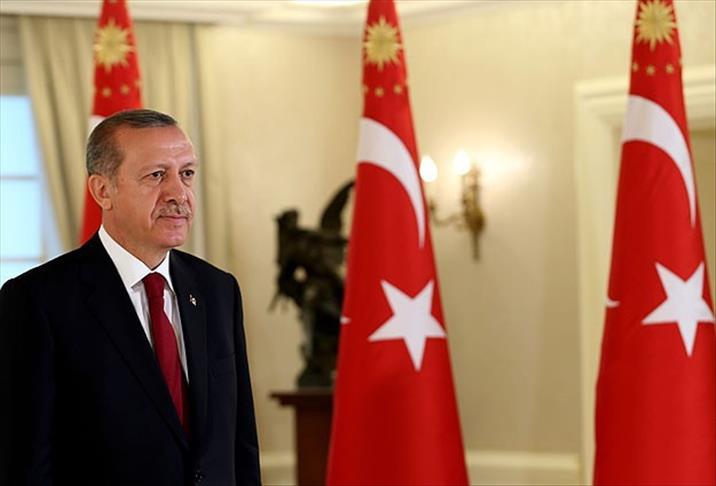
ANKARA
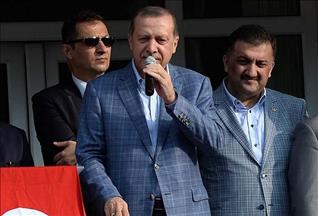
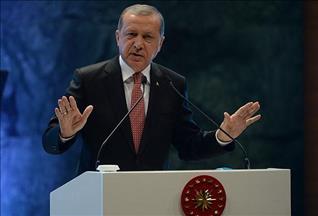
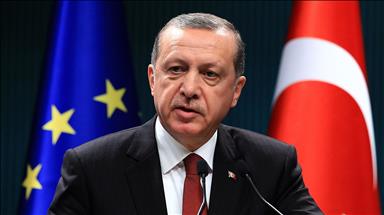
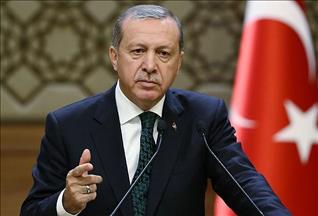
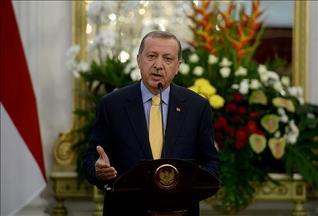
President Recep Tayyip Erdogan approved on Friday the highly-debated domestic security law that gives enhanced powers to Turkish police among a host of other measures.
The Turkish parliament’s general assembly had passed into law a domestic security package made up of 69 articles on March 27.
After being signed by the Turkish president, the domestic security law was sent to the prime ministry to be published in the Official Gazette and enter into force.
There have been tense discussions over the law since its introduction as a bill on the floor of parliament in February.
Initially, the ruling Justice and Development Party, or the AK Party, proposed 132 articles in the security bill, but after intense debates with opposition parties, 63 articles were pulled out.
The opposition alleged that the proposed bill curbed individual freedoms and infringed on human rights. Despite the removal of 63 articles, the opposition says that controversial parts remain in the approved legislation.
On Feb. 25, parliament approved the first 20 articles of the reform package. Later, the second part of the bill was approved on March 5 and by March 13, the AK Party-majority 550-seat parliament approved 67 articles of the bill.
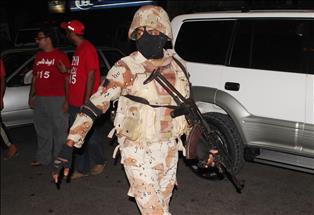
According to the law, police will be able to use weapons against those who attack schools, public buildings and places of worship with Molotov bombs, explosives, inflammable materials and other weapons.
Moreover, the law criminalizes the use of “fireworks, Molotovs, iron balls and straps” in public meetings or demonstrations. Those who cover their faces partly or entirely during demonstrations that turn into a “propaganda march” for a terrorist organization may face prison sentences of up to five years.
A police chief will be able to order the search of a person, their belongings and private vehicles after obtaining the written or oral permission of administrative chiefs. While carrying out such searches, a document outlining the reason for the search will be handed over to the concerned person.
All transactions involving the “bonsai,” a cheap, addictive and a potent form of a marijuana-like substance, will be considered illegal, similar to conducting deals for other banned drugs. The sanctions against the manufacture and sale of synthetic drugs, including bonsai, will now come under the Turkish penal code.
The governor, when needed, will have the power to give orders to law enforcement chiefs and officials to find offenders of the law. Law enforcement officials will be able to take a person into custody for up to 48 hours if he or she attends social events that may lead to a serious disruption of public order or crime.
Other articles of the law say that police training centers will be able to accept new candidates aged up to 30; the previous age limit was 28.
The government sees the measures as compliant with EU norms, while opposition parties have rejected them outright, saying they would erode freedoms and rights in the country.
The security bill came to the table following extensive rioting in Turkey last autumn. Protests in Turkey's southeastern provinces in October 2014 resulted in over 40 deaths that were sparked because of claims that the Turkish government was allegedly not doing enough to save the Syrian Kurdish town of Kobani from the terrorist group Daesh.