By Kasim Ileri
WASHINGTON
The U.S. Senate failed Tuesday to pass a bill that would’ve allowed crude oil from Canada to travel via a pipeline through the U.S. to the Gulf coast.
The 59 – 41 result was one vote shy of sending the Keystone XL Pipeline bill to President Barack Obama who, for now, is spared from being squeezed between lawmakers and environmentalists.
The Republican-led House of Representatives last week passed a bill to approve the project. That bill passed by a margin of 252 – 161 with support from 221 Republicans and 31 Democrats.
Republicans, along with some Democrats, have pushed for the pipeline since 2008, but despite being approved in the House, it has fallen victim to Democrat controlled Senate gridlock.
But congressional approval for the project is still likely when Republicans will control the House and Senate in the next Congress after winning the recent midterm elections.
One of the first items on the Republican-controlled agenda will be the Keystone pipeline project.
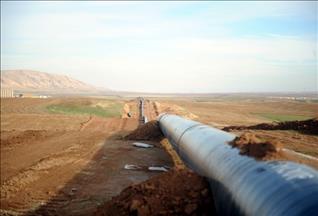
If completed, the pipeline would allow the delivery of up to 830,000 barrels per day of crude oil from Western Canada to Nebraska, for onward delivery to refineries in the Gulf Coast area.
Environmentalists have pressed Obama to reject the pipeline as proof of his commitment to curbing global warming, even though a State Department review said the pipeline would not worsen the problem.
Obama has dragged his feet on the issue saying that he will not make a final decision before the legislative process is completed.
On the other hand, the oil industry, labor unions and Republicans have urged the president to approve the project, arguing that the economic impact would far outweigh any environmental concerns.
Proponents claim the pipeline would create jobs, reduce oil imports and contribute more than $3 billion toward the GDP.
Some of those claims seem to find support in a State Department review that determined the project would support more than 42,000 direct and indirect jobs nationwide but also provide a substantial increase in tax revenues for counties along the pipeline’s route, with expected increases of 10 percent or more.
www.aa.com.tr/en