15 December 2015•Update: 15 December 2015
ISTANBUL
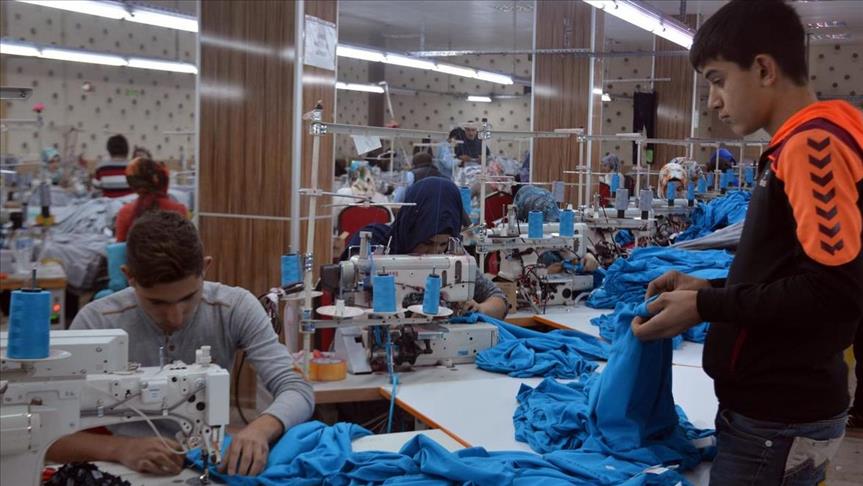
Turkey's ready-to-wear exporters, who have been affected by the Moscow sanctions, eye new markets in Africa to compensate the Russian losses in textile.
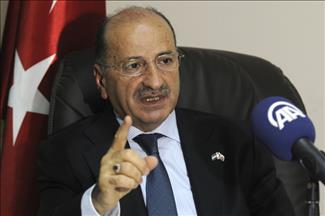
Speaking at a press conference on Tuesday in Istanbul, Hikmet Tanriverdi, head of the Istanbul Ready-Made Garment Exporters' Association (IHKIB), said that the Russian sanctions caused several risks for both Turkish and Russian economies as the two countries have strong economic ties in such sectors as energy, food, and tourism, alongside the textile sector.
"Our textile export numbers with Russia have been already in decline for two years due to the falling ruble and the Ukraine crisis. We were planning to boost the textile export in 2016, but the Russian jet crisis has spiked our plans," Tanriverdi said.
Turkey downed the Russian SU-24 on Nov. 24 despite the fact that Ankara said it had repeated warnings not to violate Turkish airspace, prompting angry reactions from the Russian leadership.
Following the incident, Russia introduced a range of sanctions targeting Turkey, ranging from restrictions on visa-free travel to a ban on imports of certain foodstuffs and textile products.
Stating that the textile industry always thinks about the worst-case scenario, Tanriverdi said: "Until the political situation between Turkey and Russia clears up, we have decided to set new strategies to direct the textile exports [originally destined for] Russia to the African market."
"We already have trade relations with Nigeria, and now we have some bilateral talks with Cameroon. We are also planning to reach six more countries and a market of 35 million people via Cameroon. I hope we will double the ready-to-wear exports to Africa in three years," Tanriverdi said.
As for Russia he said they did not want to lose hope "We have had a deep relationship with Russia for hundreds of years. Turkish and Russian people also have friendly relations, we are like relatives."
The foreign trade volume between the Turkey and Russia reached $31.2 billion in 2014 - a 17.3 percent increase from the previous year.