JUBA
By Okech Francis
About 22 years ago, Taratisio Awien and her two daughters joined thousands of people who were forced to flee their homes in southern Sudan – now the state of South Sudan – northwards amid the bloody civil war that engulfed Sudan.
"It had become increasingly dangerous to live in Warrap because government soldiers were arresting or killing anyone who refused to leave their homes," she told Anadolu Agency.
Awien says she had no option but to leave, especially after her husband – who later died in combat – decided to take up arms against Khartoum.
"It was in 1992 when I decided to leave, since my husband had joined the liberation movement and I would have been seen by the government as a rebel supporter," she recalled.
But Awien and her daughters found conditions no better in the north.
"While in [northern] Sudan, we lived in abject poverty, depending on handouts from aid groups, always hoping for the day I would once again step on my home soil," she said.
With the independence of South Sudan in July 2011, the family started counting the days to return home as part of an official program to repatriate the nationals of the new country who were living in northern Sudan.
When the time finally came, Awien didn't hesitate to pack her bags.
"It's difficult to imagine, but I never thought I would see this country again," she said.
Nightmare
But, to her dismay, as soon as Awien stepped foot in a stop-over camp in Juba designated for repatriates, fighting broke out, forcing hundreds of families to stay put.
"South Sudan should have been scared of the gun and its people left to enjoy the hard-earned victory of independence," she lamented.
"Imagine all those who died fighting for this country and then a few greedy people begin to kill us again."
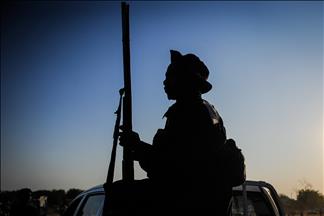
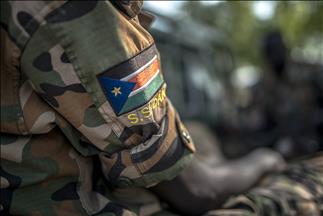
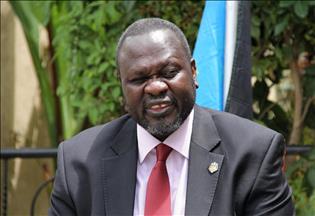
South Sudan has been shaken by violence since mid-December, when President Salva Kiir accused Machar of standing behind a failed coup attempt against his regime.
The violence has already claimed the lives of more than 10,000 people.
The UN estimates that more than 820,000 people had been displaced by the conflict.
The United Nations Office for the Coordination of Humanitarian Affairs (UNOCHA) has appealed for $1.27 billion to assist about 3.2 million people in the country.
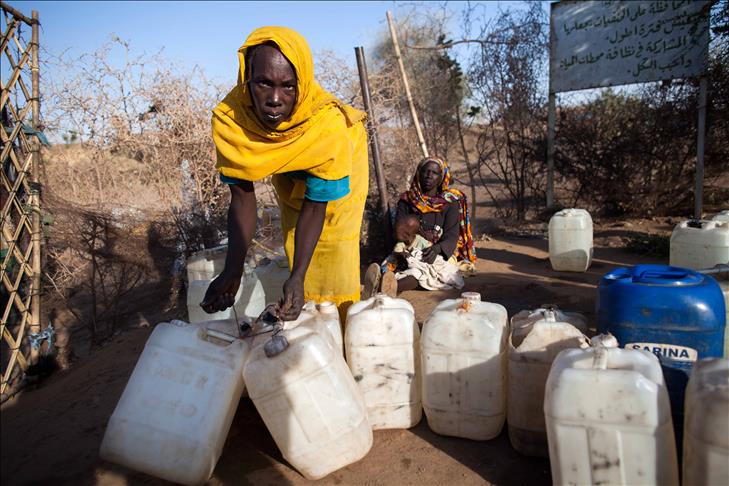
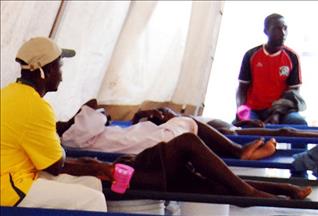
Awien, who has for years been dreaming about her home return, is now stranded in a yet another refugee camp, making her and her family vulnerable to diseases such as malaria, which is rampant along the Nile.
Her four grandchildren, meanwhile, risk missing basic education, since she and her two daughters are unemployed and are therefore unable to pay school fees.
They manage to earn a little money around the camp by selling tea and bread to workers erecting buildings nearby – but the situation is unsustainable.
"I have nowhere to go; I have to stay in this place," Awien said, preparing a meal of beans and Asida (bread produced from maize flour) for her six-member family.
"I'm afraid for my family," she said, visibly worried. "God knows what else will happen to us."
englishnews@aa.com.tr