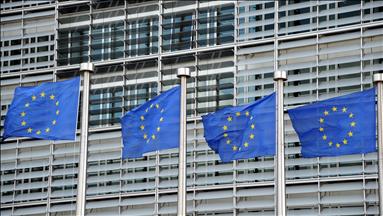
BRUSSELS
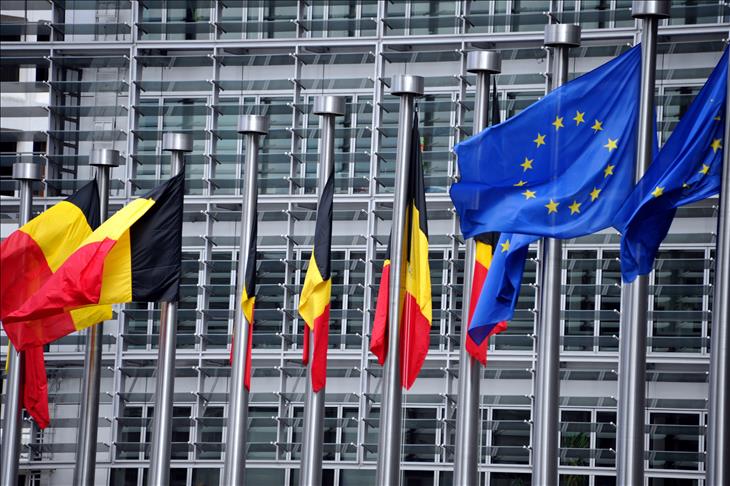
The European Union has opened an investigation into Belgium's tax practices which allow multinational companies to reduce their tax liability in the country as part of a wider probe into member states' tax practices.
The move was announced Tuesday nearly three months after Luxembourg’s tax practices came under scrutiny following an investigation by the International Consortium of Investigative Journalists (ICIJ) in November 2014.
The probe revealed hundreds of big-name corporations including Pepsi, IKEA and FedEx had secured secret deals with the tiny EU state which saved them billions of dollars in global taxes, while the countries in which they were based suffered a similar loss in tax revenues.
The European Commission (EC) said in a statement Tuesday: ''A number of (EU) member states seem to allow multinational companies to take advantage of their tax systems and thereby reduce their tax burden.''
Under Belgian legislation, a multinational group can reduce its tax liability through a so-called "excess profits" mechanism if one of its companies is registered in Belgium.
'Distorted competition'
However, the EC said Belgian companies active only in Belgium cannot claim similar tax benefits.
European Commissioner for Competition, Margrethe Vestager, said: ''The Belgian 'excess profit' tax system appears to grant substantial tax reductions only to certain multinational companies that would not be available to stand-alone companies.
''If our concerns are confirmed, this generalised scheme would be a serious distortion of competition unduly benefitting a selected number of multinationals."
"As part of our efforts to ensure that all companies pay their fair share of tax, we have to investigate this further,'' she added.
The EC said that it ''has doubts if the tax provision complies with EU state aid rules, which prohibit the granting to certain companies of selective advantages that distort competition in the Single Market''.
Probe launched
The European Commission opened an investigation into Amazon’s tax deals with Luxembourg on Oct.7, 2014, amid concerns the tiny EU state may have granted economic advantage to Amazon by allowing it to pay less tax than other companies whose profits were assessed in line with market terms.
The EC has been investigating since June 2013, under regulations covering state aid, the tax ruling practices of member states.
The EC opened formal investigations in three cases in June last year; Apple in Ireland, Starbucks in the Netherlands and Fiat Finance & Trade in Luxembourg.
It extended the inquiry to all EU member states last December.
Complex structures
According to the International Consortium of Investigative Journalists, leaked documents revealed how hundreds of companies arranged specially-designed structures with the Luxembourg tax authorities from 2002 to 2010.
Companies such as vacuum cleaner firm Dyson and Danish television company TDC worked with the Luxembourg tax authorities on arrangements which resulted in billions of dollars' worth of savings for the companies.
The legal -- but secret -- deals featured complex financial structures designed to create drastic tax reductions.
The companies allegedly involved names such as Pepsi, Ikea, AIG, Amazon, Accenture, Burberry, Procter & Gamble, Heinz, JP Morgan, Deutsche Bank and FedEx.
Documents from buyout firms Blackstone and Carlyle were also listed.