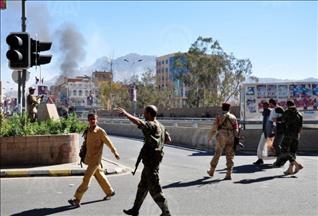
A court in Myanmar has convicted five people of spreading false rumors that a Muslim man raped a Buddhist woman - an allegation that led to the death of two people in riots last July.
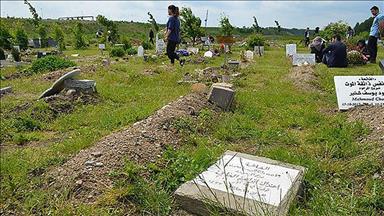
A Buddhist and a Muslim man died and more than 20 people were injured during the two days of ensuing religious violence in the central city of Mandalay.
“Their false charge of offence sparked a riot in our peaceful society, leading to the death of two, causing distrust and conflicts between two communities,” an unnamed court official told the Rakyat Post.
The official asked not to be named as he was not authorized to speak to the media.
The Post reported Saturday that a woman named Phyu Phyu Min was among those sentenced to 21 years in prison. Min had filed a case with police in Pyinmana, a town near Mandalay, claiming the owner of the Muslim-run teashop had raped her.
The government-run New Light of Myanmar newspaper reported July 20 that the woman was paid to make the allegations by two men involved in a personal dispute with the teashop owners.
A medical examination of the woman “found no sign of rape,” the report said, adding that “after a detailed investigation she confessed that she accused the two men because she was paid.”
Mobs gathered outside the teashop after the rumor was spread on social media and the violence spread from there.
Such anti-Muslim violence has raised grave doubts about the former military-ruled country’s reform process. Most has been perpetrated by extremist members of the country’s Buddhist majority against Muslims, leaving at least 250 people dead and tens of thousands homeless.
Deep-seated religious tensions that were largely suppressed under the military junta began to boil over after a reformist government relaxed a series of repressive policies.
Many of the flare-ups since mid-2012 started following rumors of wrongdoing by Muslims.
The nationalist monk Wirathu, renowned for anti-Muslim views, was among those who posted about the rape allegation on his Facebook page, drawing accusations that he helped to stoke the riots.
Since Internet access became more widespread in the formerly isolated country, many have warned of rampant anti-Muslim hate speech on social media.