Turkish FM: Terrorism has become transnational phenomenon
Sinirlioglu tells Security Council that terrorism should not be associated with any religion, nationality, or race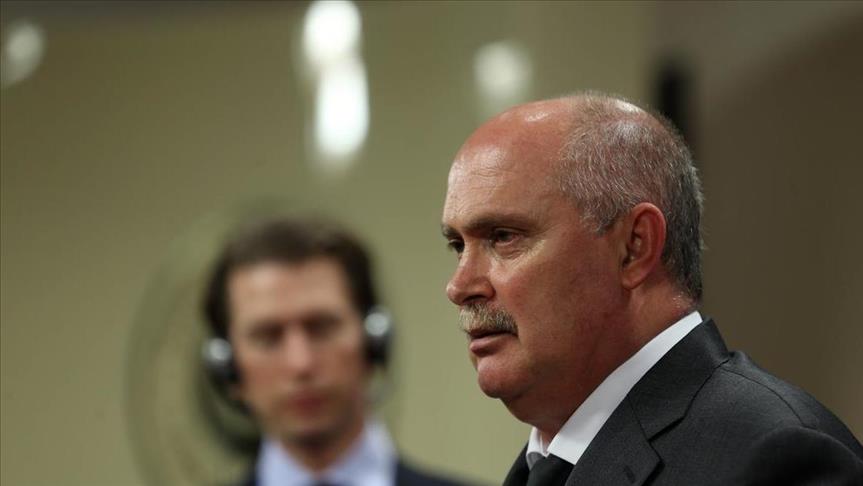
NEW YORK
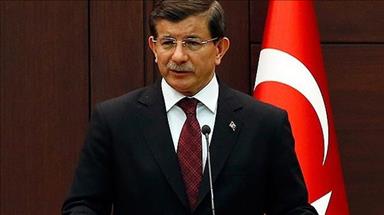
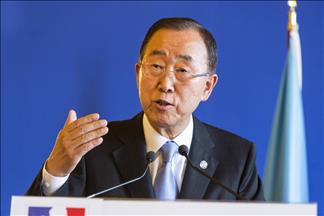
Turkey’s foreign minister on Wednesday urged the UN Security Council to not be blindfolded by the brutality of Syria’s president and the spillover effect of the conflict in Syria, while it combats Daesh.
"While fighting Daesh we should harbor no illusions about the conditions that led to its rise. Daesh did not suddenly spontaneously appear out of nowhere and spread like a cancer on its own," said Feridun Sinirlioglu. "It was through the tactical cooperation and operational air support by the terrorist [Syrian President Bashar] Assad regime and its sectarian collaborators that enabled Daesh’s rapid expansion in Syria.”
The top Turkish diplomat's comments came during a Security Council ministerial meeting on the sidelines of the UN General Assembly.
"The suppression of democratic aspirations of the Syrian people, divisive sectarian policies, war crimes and massive violations of human rights that were committed with impunity by the Assad regime have combined to create ground for radicalization, extremism and recruitment of the foreign terrorist fighters by Daesh," Sinirlioglu added.
He told the ministers that terrorism and extremism are not Middle Eastern and North African phenomena and should not be associated with any religion, nationality or race.
The minister also warned that world regions are not immune to ongoing Middle East violence as terrorism has become a transnational phenomenon.
The conflicts in Syria, Libya, Iraq and Afghanistan have killed hundreds of thousands of victims and displaced millions more.
Approximately 250,000 victims have been killed and 10 million displaced in Syrian alone, according to the UN.
The Turkish minister acknowledged that Daesh is a threat to Turkey and the government there has spared no effort to counter the militant group.
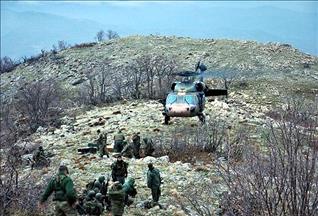
Turkish jets have carried out air operations against Daesh since late August, as part of the international coalition fighting the militants.
Sinirlioglu suggested parameters for a comprehensive strategy to deal with terrorism in Syria, such as degrading all terror groups, creating safe zones in Syria and working toward a political solution.
He said all terror groups should be degraded.
"There should be no room for moral relativism in the fight against terror," he said.
He called on his counterparts in the Security Council to create safe areas in Syria that are cleared of Daesh, where protection will be provided to the civilian population.
"Such zones, if implemented appropriately, would keep Syrians inside Syria, help a volunteered return of refugees and encourage people to believe again in a stable future for their country," he said.
Turkey has advocated for a safe zone to be established in northern Syria where refugees attempting to escape from Assad forces, and Daesh, can be accommodated.
The U.S. has been reluctant to create such a buffer zone thus far, saying it would be difficult to protect the area.
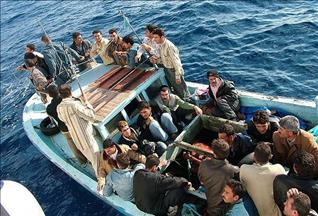
Turkey is hosting approximately 2 million Syrian refugees, a number that has been growing from shortly after the conflict began in 2011.
Noting the existence of an international consensus that there should be a political solution to the Syrian civil war, Sinirlioglu said such a solution should meet the legitimate demands and aspirations of the Syrian people and ensure a managed and orderly transition to real political change.
"In the political process we should vitalize united, democratic, secular, non-sectarian, multicultural Syria, without Assad," he added.
As the discussions on a political transition and the future of Assad continue, Russian jets on Wednesday began conducting airstrikes in Syria that allegedly targeted moderate opposition fronts.
The latest Russian moves may complicate a potential political transition process with Moscow voicing support for Assad to remain in office but the U.S. and its allies pushing for the Syrian president to relinquish power.