Michael Hernandez,Esra Kaymak
30 September 2015•Update: 01 October 2015
WASHINGTON
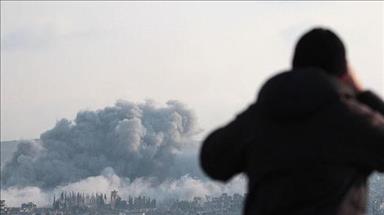
Just hours after Russia carried out its first airstrikes ostensibly against Daesh, the U.S. voiced skepticism Wednesday about the attack’s true target.
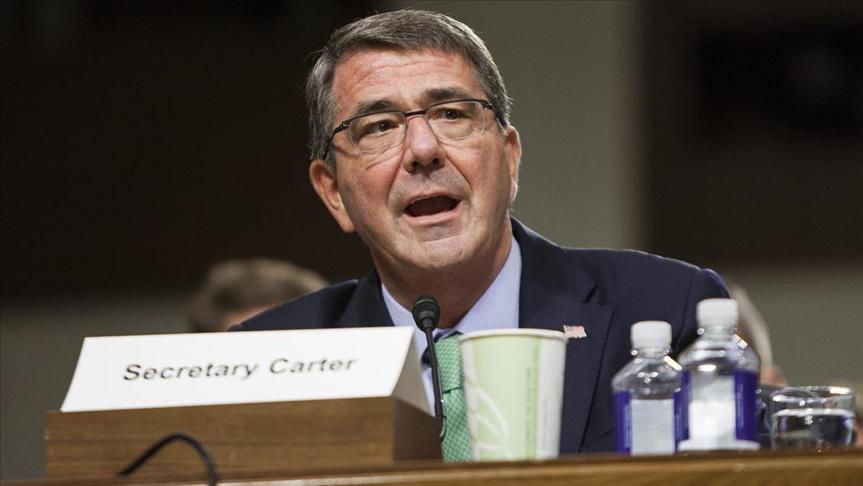
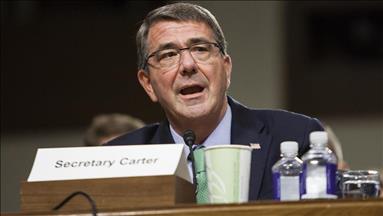
“It does appear that they were in areas where there probably were not ISIL forces, and that is precisely one of the problems with this whole approach,” Secretary of Defense Ashton Carter told reporters at the Pentagon.
He added that Russia's actions are a kin "to pouring gasoline on the fire."
Carter’s comments are in strong contrast to those of the Russian Foreign Ministry, which maintains that the strikes targeted Daesh’s munitions depots, vehicles and communications centers.
Prior to Carter’s remarks, a defense official who spoke on condition of anonymity, said that it is unlikely that Wednesday's strike was part of an anti-Daesh campaign – without elaborating.
"While we would welcome a constructive role by Russia in this effort, today's demarche hardly seems indicative of that sort or role and will in no way alter our operations," the official said. "It also only underscores the need to begin having meaningful de-confliction discussions very soon."
De-conflicting is diplomatic jargon for lessening the likelihood that military operations in the same theater cause accidental confrontations.
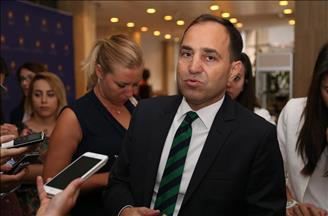
In Washington, State Department spokesman John Kirby confirmed that a Russian official in Baghdad informed U.S. embassy personnel "that Russian military aircraft would begin flying anti-ISIL missions today over Syria".
U.S. President Barack Obama and Russian President Vladimir Putin agreed on the sidelines of the UN General Assembly on Monday to maintain military communication to prevent such a scenario – a move that seems increasingly necessary with Russia reportedly notifying the U.S. of its initial airstrikes roughly an hour before they occurred, and Washington maintaining that its coalition pilots would continue skies above Syria.
Carter challenged Russia's short warning ahead of its military operations, saying, "this is not the kind of behavior that we should expect professionally from the Russian military. “That's one reason why I think it's a good thing to have an avenue of communication that is less unprofessional than a drop-in.”
He said the Russian and U.S. military teams would meet “in the next few days”.
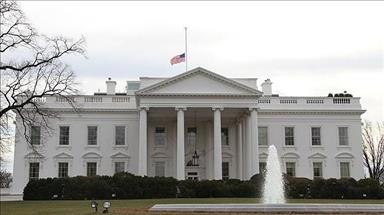
Meanwhile, White House spokesman Josh Earnest told reporters that U.S. officials are in contact with their Russian counterparts to kick off “tactical, practical conversations”, emphasizing the urgency of the task.
"If they're not going to be integrated into our broader counter-ISIL effort that includes 65 nations, then we want to make sure that any Russian military activities that are taking place inside of Syria that are unilateral are activities that are at least formally de-conflicted with our ongoing operations on the inside of Syria,” he said.